
Skin Tags: Why They Form, When to Worry, and How to Remove Them Safely
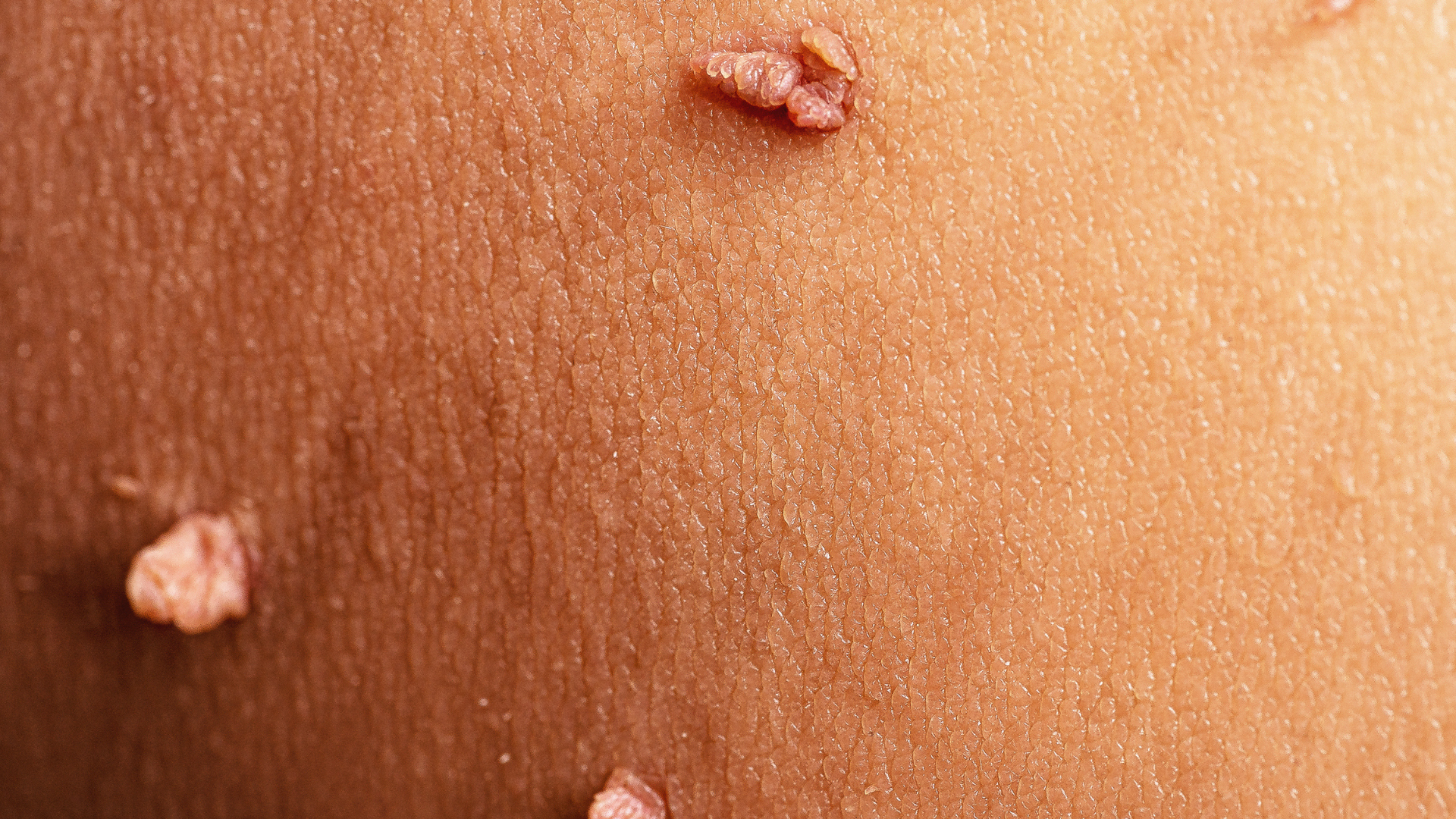
Skin tags are incredibly common, but that does not make them any less frustrating. Whether you have noticed a small growth on your neck, underarm, eyelid, or another area of the body, you may be wondering what caused it, whether you should be concerned, and most importantly, how to safely get rid of it.
While skin tags are typically harmless, having any new or changing growth properly assessed is important before deciding how to treat it. At SURFACE Dermatology, our dermatology team can assess unwanted skin growths and recommend an appropriate treatment plan based on your skin and individual needs.
What Are Skin Tags?
Skin tags, medically known as acrochordons, are small, benign growths of skin. They are often soft and may appear attached to the skin by a narrow stalk. Skin tags can vary in colour and size and may appear individually or in multiples.
They most commonly develop in areas where skin experiences repeated friction, including:
- The neck
- Underarms
- Eyelids
- Under the breasts
- Groin and inner thighs
- Other skin folds
Although skin tags themselves are generally harmless, they can become irritated when they repeatedly rub against clothing, jewelry, or skin. They may also become uncomfortable if they are caught while shaving or during everyday activities.
What Causes Skin Tags?
There is not always one specific reason a skin tag develops. Friction is thought to play an important role, which helps explain why skin tags frequently appear in areas where skin rubs together or against clothing.
Certain factors may also make someone more likely to develop skin tags. They become more common with age and have been associated with pregnancy, family history, obesity, diabetes, insulin resistance, and metabolic syndrome.
Having a skin tag does not necessarily mean that you have an underlying health condition. However, if you suddenly develop numerous growths or notice other significant changes in your skin, a dermatological assessment can help determine whether further evaluation is appropriate.
Are Skin Tags Dangerous?
Skin tags are benign and are not considered skin cancer. However, not every small growth that looks like a skin tag actually is one.
Warts, moles, and other skin lesions can sometimes be mistaken for skin tags. Certain forms of skin cancer can also present as new or changing growths, which is one reason professional assessment is important when you are uncertain about a lesion.
Consider having a growth assessed if it:
- Changes noticeably in size, shape, or colour
- Bleeds without an obvious cause
- Becomes painful or persistently irritated
- Grows rapidly
- Looks different from your other skin growths
- Is difficult to identify
When in doubt, having a dermatologist look at the area can help determine what the growth is and whether treatment or further investigation is necessary.
Should You Remove a Skin Tag?
Because skin tags are benign, they do not always require treatment.
Some people choose skin tag removal because a tag repeatedly catches on clothing or jewelry, becomes irritated while shaving, or sits in an uncomfortable location. Others simply prefer to have skin tags removed for cosmetic reasons.
Whether removal is appropriate depends on factors such as the location and size of the growth, your symptoms, and confirmation that the lesion is actually a skin tag.
How Are Skin Tags Removed?
Professional skin tag removal can be performed using different techniques depending on the individual lesion. Common medical approaches can include removing the tag with a sterile instrument, freezing it with cryotherapy, or using an electrical treatment to destroy the tissue.
The appropriate method depends on factors including the skin tag’s size, location, and appearance.
A professional assessment is particularly valuable for growths in delicate or highly visible areas, such as the face, eyelids, or neck, where treatment technique and the potential for scarring require additional consideration.
Can You Remove Skin Tags at Home?
Although at-home skin tag removal methods are widely promoted online, attempting to cut, burn, freeze, or otherwise remove a skin growth yourself can lead to unnecessary complications.
DIY removal may cause:
- Bleeding
- Infection
- Skin irritation or injury
- Scarring
- Incomplete removal
There is also another important concern: you may be treating something that is not actually a skin tag.
Having the growth assessed before removal helps ensure that the correct lesion is being treated and that an appropriate removal method is selected.
Can Skin Tags Grow Back After Removal?
Once an individual skin tag has been completely removed, that specific growth may not return. However, removing one skin tag does not prevent new skin tags from developing elsewhere.
If you are prone to skin tags, you may continue to notice new ones over time, particularly in areas where there is frequent friction.
Skin Tag Removal in Oakville
If a skin tag is bothering you, frequently becoming irritated, or you simply want to know what your options are, professional assessment is the best place to start.
At SURFACE Dermatology, our team can assess your skin concerns and discuss treatment options tailored to your individual needs.
Book your consultation at SURFACE Dermatology in Oakville or SUR Hamilton to learn more about professional skin tag removal and determine the right approach for your skin.
.webp)
Expert skin advice, thoughtful tips, and product recommendations are coming your way.
.jpg)
.jpg)
Your skin journey starts here. Reach out anytime for more information and to book your consultation. We’d love to hear from you.
%20(1).jpg)