
Your Guide to Laser Season: Finding the Right Treatment for Your Skin
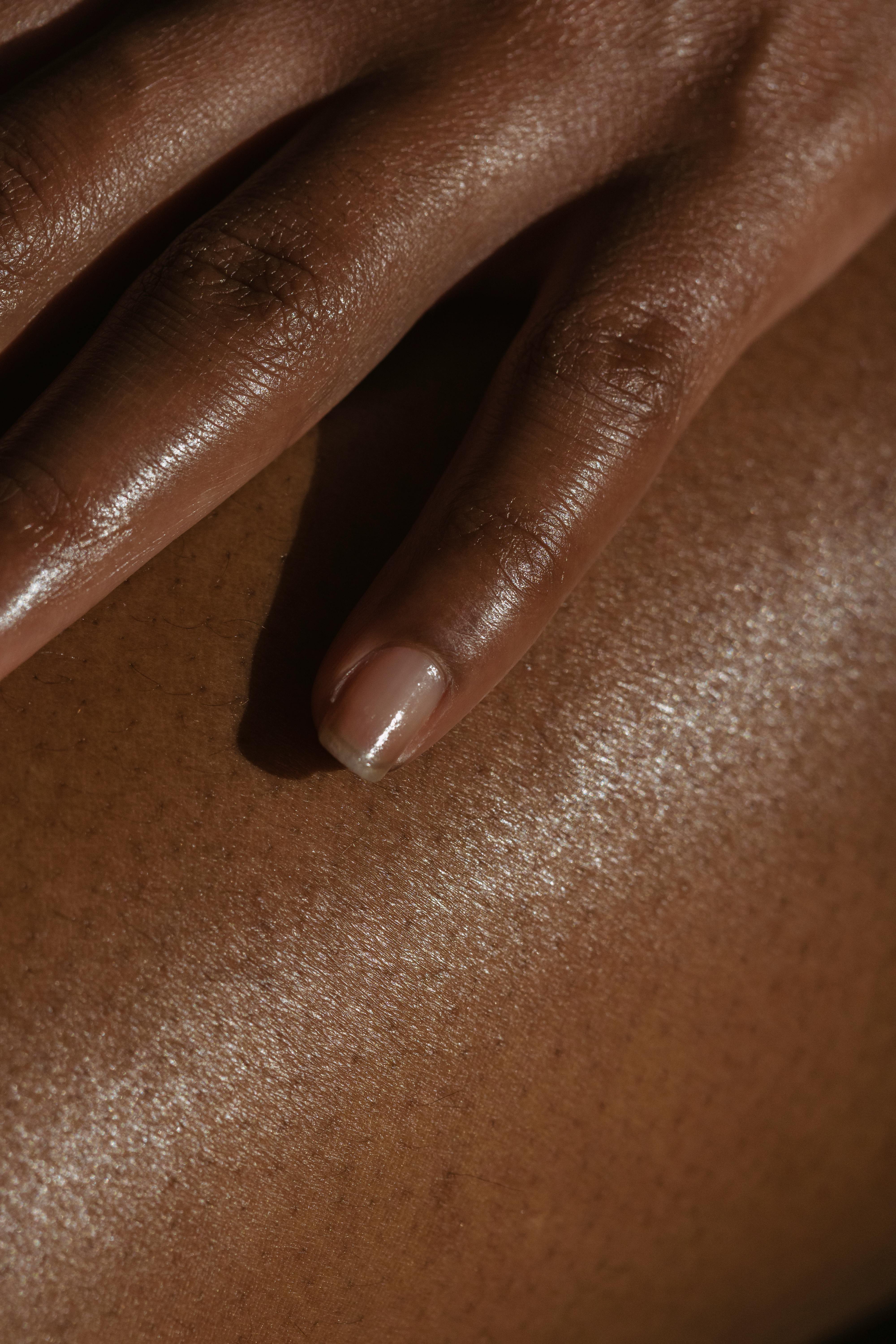
As summer winds down and we begin spending less time in the sun, you may start noticing some of the concerns the warmer months left behind, from pigmentation and sun damage to redness and uneven skin tone.
That means one thing at SURFACE Dermatology: laser season is here.
Fall and winter are popular times to explore laser and light-based treatments, particularly as our days of prolonged sun exposure begin to decrease. Whether your goal is to address pigmentation, improve texture, reduce redness, soften the appearance of scarring or get started on laser hair removal, there are a variety of technologies available, and they don’t all do the same thing.
Here’s your guide to some of the laser and light-based treatments available at Surface and the concerns they may help address.
A Note Before You Choose Your Treatment
This guide is designed to provide a general overview of the laser and light-based treatments available at SURFACE Dermatology.
However, there is no one-size-fits-all approach to laser treatments.
The treatment that may be right for you depends on many individual factors, including your specific concerns, skin type, starting point, treatment goals, medical history, previous treatments, sun exposure and desired level of downtime. In some cases, a combination of treatments may be recommended to address multiple concerns.
For this reason, the information below should be considered a starting point rather than a personalized treatment recommendation.
A consultation and skin assessment are an important first step in creating a treatment plan that is appropriate for you.
IPL Photofacial: Pigmentation, Redness & Sun Damage
IPL, or Intense Pulsed Light, is a light-based treatment commonly used to address visible pigmentation and vascular concerns.
Rather than resurfacing the skin, IPL delivers pulses of light that can target pigment and vascular irregularities beneath the skin’s surface.
IPL may be considered for concerns including sun damage, brown spots, uneven pigmentation, redness and certain visible vascular concerns.
Following treatment, some temporary redness may occur, and areas of pigmentation can temporarily appear darker before gradually fading. Treatment recommendations vary depending on the patient’s skin and the concerns being addressed.
Because IPL interacts with pigment, appropriate patient selection and sun exposure are important considerations. Your provider will determine whether IPL is suitable for your skin.
Nd:YAG: Redness & Visible Vessels
Not all redness is the same, which is why different technologies may be used for different vascular concerns.
Nd:YAG laser technology can target vascular structures beneath the skin and may be used to address concerns such as visible facial vessels, certain vascular lesions and persistent areas of redness.
Whether IPL, Nd:YAG or another treatment is most appropriate depends on the type of vascular concern being treated, along with your individual skin.
A consultation allows your provider to assess what’s causing the redness you’re seeing and recommend an appropriate treatment approach.
ResurFX: Texture, Fine Lines & Scarring
While IPL and vascular lasers primarily target concerns related to colour, ResurFX focuses on resurfacing and collagen stimulation.
ResurFX is a non-ablative fractional laser. It creates microscopic treatment zones within the skin while leaving the surrounding tissue intact, stimulating the skin’s natural healing response and collagen production.
ResurFX may be used to improve the appearance of:
- Fine lines
- Uneven skin texture
- Acne scars
- Other types of scarring
- Stretch marks
- Overall skin quality
Because ResurFX is non-ablative, it offers a different level of treatment and recovery compared with more intensive ablative resurfacing.
Your provider can determine whether fractional non-ablative resurfacing is appropriate based on your concerns, skin and desired level of downtime.
Photofractional: Tone + Texture
What happens when you’re concerned about both pigmentation and texture?
That’s where Photofractional treatment comes in.
Photofractional combines IPL with fractional resurfacing, allowing multiple concerns to be addressed within the same treatment approach.
The IPL component targets concerns related to pigmentation and redness, while fractional resurfacing targets texture and stimulates collagen production.
Photofractional may be considered for patients looking to address a combination of concerns such as sun damage, uneven pigmentation, redness, fine lines and uneven texture.
Because everyone’s skin is different, the appropriate treatment approach and intensity are determined during consultation.
eCO TONE: A Lighter Approach to Resurfacing
Not everyone needs, or wants, an intensive resurfacing treatment.
eCO TONE offers a lighter resurfacing option designed to refresh the appearance of the skin while keeping downtime in mind.
Depending on the patient’s concerns, eCO TONE may help:
- Lightly resurface the skin
- Improve the appearance of texture
- Stimulate collagen production
- Brighten the appearance of the complexion
- Refresh overall skin quality
For patients beginning to notice changes in texture or skin quality, a lighter resurfacing treatment may be worth discussing.
eCO2: Deeper Skin Resurfacing
For patients looking to address more significant textural concerns, fractional CO₂ resurfacing provides a more intensive treatment approach.
Unlike non-ablative fractional treatments, CO₂ technology is ablative, meaning controlled areas of the skin are resurfaced as part of the treatment process.
Depending on the individual patient, fractional CO₂ resurfacing may be considered for concerns including:
- Uneven or more significant skin texture
- Fine lines and wrinkles
- Acne scarring
- Sun damage
- Overall skin resurfacing
Because CO₂ treatments are more intensive, the expected recovery is also different from lighter resurfacing options.
Your provider will assess whether this level of resurfacing is appropriate for your skin and discuss what you can expect before moving forward.
Laser Hair Removal: Start Planning Ahead
Laser season isn’t limited to skin rejuvenation.
The cooler months can also be a convenient time to begin laser hair removal, particularly because hair reduction is a process rather than a one-time treatment.
Laser hair removal targets unwanted hair at the follicle to progressively reduce future hair growth. Because hair naturally moves through different stages of its growth cycle, multiple treatments are generally required to achieve optimal reduction.
Laser hair removal can be performed on many areas of the face and body, with the appropriate treatment plan determined based on factors such as the treatment area, hair characteristics and individual patient.
Starting during fall or winter can also provide plenty of time to progress through your treatment plan ahead of the warmer months.
Which Laser Treatment Is Right for You?
Here’s the important part: you don’t need to figure that out yourself.
If pigmentation and sun damage are your primary concerns, IPL may be worth discussing.
If you’re dealing with redness or visible vessels, your provider may consider IPL, Nd:YAG or another approach depending on what’s causing the concern.
If you’re primarily concerned with texture, fine lines or scarring, fractional resurfacing options such as ResurFX or eCO2 may be considered.
If you’re looking to address both tone and texture, Photofractional combines light-based treatment with fractional resurfacing.
If you want a lighter skin refresh, eCO TONE may be an option worth exploring.
And if your goal is reducing unwanted hair, laser hair removal can be incorporated into a longer-term treatment plan.
Planning Your Laser Treatments
Laser treatment isn’t one-size-fits-all, and neither is the timeline.
Depending on the technology and your individual goals, your treatment plan may involve a single treatment or a series performed over time. Some treatments involve minimal downtime, while more intensive resurfacing procedures require more recovery and planning.
Recent sun exposure, upcoming travel, major events and your skincare routine may also influence when your provider recommends beginning treatment.
If you have a wedding, vacation or another important event ahead, booking your consultation early gives your provider more flexibility to create a treatment plan that works with your timeline.
Rather than following a generic online schedule, your provider will recommend treatment timing and aftercare based on your skin, goals and the technology being used.
Why Your Laser Treatment Should Be Personalized
The strongest laser isn’t automatically the best laser.
The right treatment depends on factors including your skin type, concerns, medical history, previous treatments, recent sun exposure, desired results and tolerance for downtime.
In some cases, a combination of technologies may make sense. In others, a single targeted treatment may be the better approach.
That’s why every laser journey at Surface begins with an individualized assessment.
Ready for Laser Season?
Whether summer left you noticing more pigmentation, you’re ready to address stubborn redness or texture, or you’re simply looking ahead to your skin goals for the coming months, now is a great time to start the conversation.
At Surface Dermatology, our team will assess your skin and recommend a personalized approach based on your individual concerns, goals and lifestyle.
Book a consultation at SURFACE Dermatology in Oakville to discover which laser treatment may be right for you.
.webp)
Expert skin advice, thoughtful tips, and product recommendations are coming your way.
.jpg)
.jpg)
Your skin journey starts here. Reach out anytime for more information and to book your consultation. We’d love to hear from you.
%20(1).jpg)