
Mole Removal
Have a mole that's bothersome, unwanted or causing concern? Our Dermatology team can assess your mole and choose the safest removal option.
.webp)
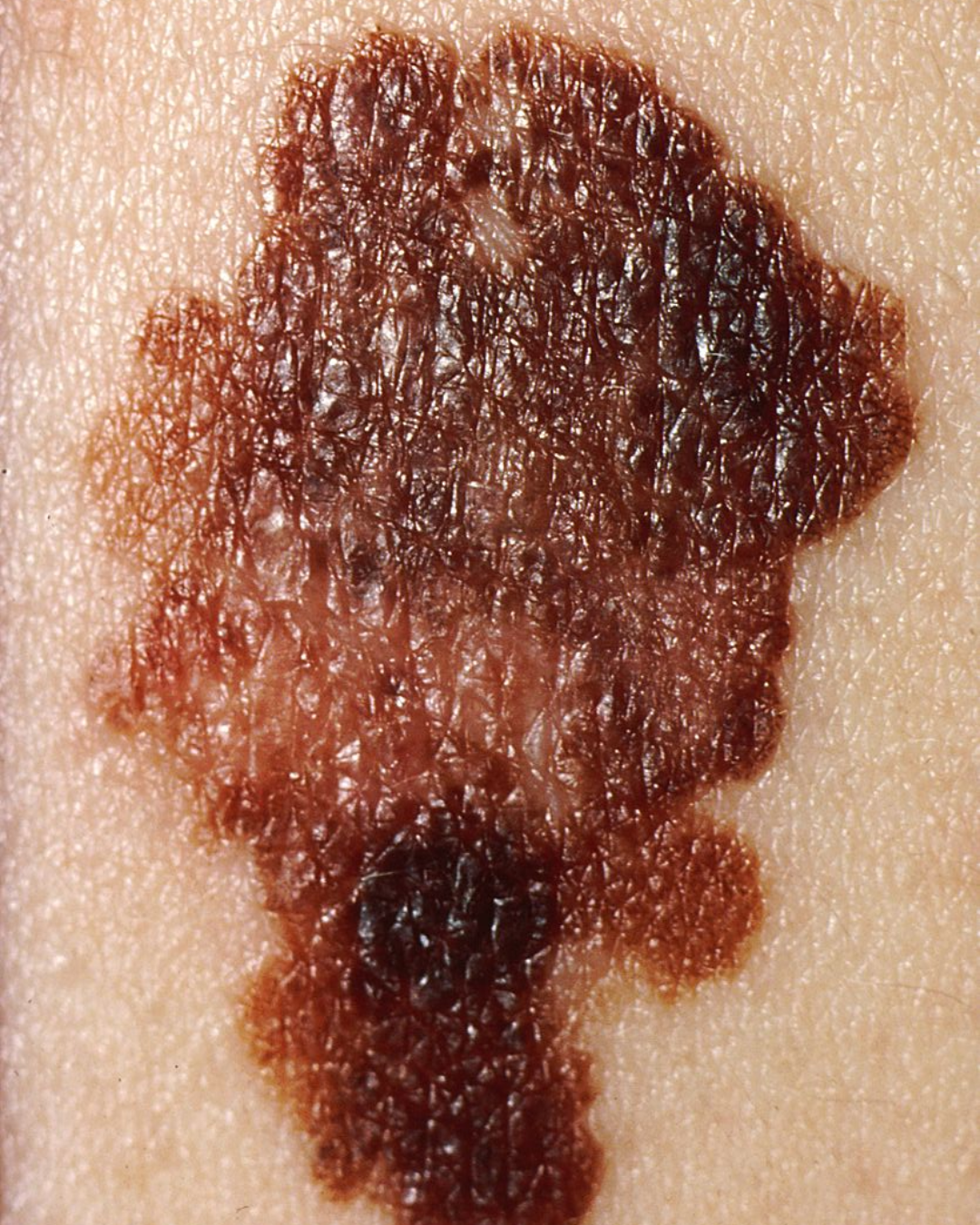
Moles are common, but they can sometimes become irritated, uncomfortable, or simply be in a location you'd prefer them not to be. Mole removal offers a straightforward solution, with treatment tailored to the type and location of the mole.

Our mole removal service offers safe, effective, and minimally invasive treatment performed by experienced professionals using advanced techniques. We carefully evaluate each mole to determine the best removal method, prioritizing patient health, minimizing risks, and ensuring minimal discomfort and scarring. Whether for diagnostic purposes, medical concerns, or cosmetic reasons, we provide personalized care tailored to your individual needs, ensuring thorough monitoring and optimal outcomes throughout the process.
Our mole removal service addresses a variety of skin concerns, including unwanted moles that affect appearance and medically concerning moles that may pose health risks. We specialize in removing benign moles for cosmetic improvement, as well as evaluating and treating atypical or suspicious moles to prevent potential complications. Our goal is to provide comprehensive care that supports both your skin’s health and your peace of mind.
We prioritize your comfort by numbing the treatment area before the procedure. This local anesthesia ensures that you experience minimal to no pain during mole removal. Most patients report only slight pressure or mild sensations, making the process as comfortable and stress-free as possible.
The mole removal procedure is typically quick, often taking only 15 to 30 minutes depending on the size and type of the mole. This includes the time for numbing the area and performing the removal. Most patients can resume their normal activities shortly after the treatment.
Immediately after mole removal, you may experience some redness, swelling, or mild tenderness around the treated area. A small bandage will be applied to protect the site, and it’s normal to have a scab form as the skin heals. We will provide you with aftercare instructions to promote proper healing and minimize the risk of infection. Most side effects are temporary and should resolve within a few days to weeks.
what to expect
Consultation
During the consultation, our dermatologist will conduct a thorough evaluation of your mole(s) and discuss your medical history and any concerns you may have. We will assess the mole’s appearance to determine whether removal is necessary for medical or cosmetic reasons. The dermatologist will explain the recommended removal method, answer your questions, and outline the procedure, risks, and aftercare to ensure you feel fully informed and comfortable before moving forward.
Treatment
During the treatment, the area around the mole will be numbed with a local anesthetic to ensure your comfort. The dermatologist will then carefully remove the mole using the most appropriate method based on the initial assessment. The procedure is typically quick and minimally invasive. After removal, the treated area will be cleaned and covered with a protective dressing. You may feel slight pressure or mild sensations but should experience minimal discomfort throughout the process.
Post Treatment
After the treatment, it’s normal to experience some redness, swelling, or mild tenderness around the treated area. A scab may form as the skin begins to heal. Keep the area clean and dry, and follow the aftercare instructions provided to prevent infection and promote proper healing. Avoid picking at the scab or exposing the site to direct sunlight. Most patients see improvement within a few days, with complete healing occurring over several weeks.
Follow up
Your follow-up appointment gives us an opportunity to check how the area is healing and make sure there are no concerns following your mole removal. If the mole was sent for testing, we will also review the pathology results with you and discuss any recommended next steps. Depending on the type of removal and location, we may also assess the incision, remove sutures if needed, and answer any questions you may have about healing.
Maintenance
Once the area has fully healed, there is generally no ongoing maintenance required for the removed mole. However, it is important to continue protecting your skin from sun exposure by using sunscreen and following good sun-safety practices. We also recommend keeping an eye on your skin and noting any new or changing moles or spots. If you notice changes in size, shape, colour, or appearance, or have any other concerns, contact our office for an assessment.
During the consultation, our dermatologist will conduct a thorough evaluation of your mole(s) and discuss your medical history and any concerns you may have. We will assess the mole’s appearance to determine whether removal is necessary for medical or cosmetic reasons. The dermatologist will explain the recommended removal method, answer your questions, and outline the procedure, risks, and aftercare to ensure you feel fully informed and comfortable before moving forward.
Your follow-up appointment gives us an opportunity to check how the area is healing and make sure there are no concerns following your mole removal. If the mole was sent for testing, we will also review the pathology results with you and discuss any recommended next steps. Depending on the type of removal and location, we may also assess the incision, remove sutures if needed, and answer any questions you may have about healing.
During the treatment, the area around the mole will be numbed with a local anesthetic to ensure your comfort. The dermatologist will then carefully remove the mole using the most appropriate method based on the initial assessment. The procedure is typically quick and minimally invasive. After removal, the treated area will be cleaned and covered with a protective dressing. You may feel slight pressure or mild sensations but should experience minimal discomfort throughout the process.
After the treatment, it’s normal to experience some redness, swelling, or mild tenderness around the treated area. A scab may form as the skin begins to heal. Keep the area clean and dry, and follow the aftercare instructions provided to prevent infection and promote proper healing. Avoid picking at the scab or exposing the site to direct sunlight. Most patients see improvement within a few days, with complete healing occurring over several weeks.
Once the area has fully healed, there is generally no ongoing maintenance required for the removed mole. However, it is important to continue protecting your skin from sun exposure by using sunscreen and following good sun-safety practices. We also recommend keeping an eye on your skin and noting any new or changing moles or spots. If you notice changes in size, shape, colour, or appearance, or have any other concerns, contact our office for an assessment.
.jpg)

How much does a microneedling treatment cost?
To assess your needs and provide an accurate price estimate for your personalized treatment, we recommend scheduling a free, no-obligation consultation with a Surface expert. We recognize that each individual is unique, so we tailor our treatment plans to meet your specific needs.
Revitalize your skin with microneedling for just
$250 per session (regularly $400).
Limited-time offer for new clients only.
Consultation required. Valid through September.
Why Surface?
Expert care from board-certified dermatologists and their team using advanced technology and personalized treatment plans. Our comprehensive services and proven results ensure you receive the highest quality care for all your skin needs.
.webp)
.jpg)
.jpg)
.jpg)
Recommended Products
Here are some additional products and services that complement the benefits of Retinol Skin Brightener and enhance your skincare routine.
.webp)
Your skin journey starts here. Reach out anytime for more information and to book your consultation. We’d love to hear from you.
%20(1).jpg)