
Skin Tag Removal
Professional assessment and removal of benign skin tags using safe, evidence-based treatment approaches tailored to each patient.
%20(1).webp)

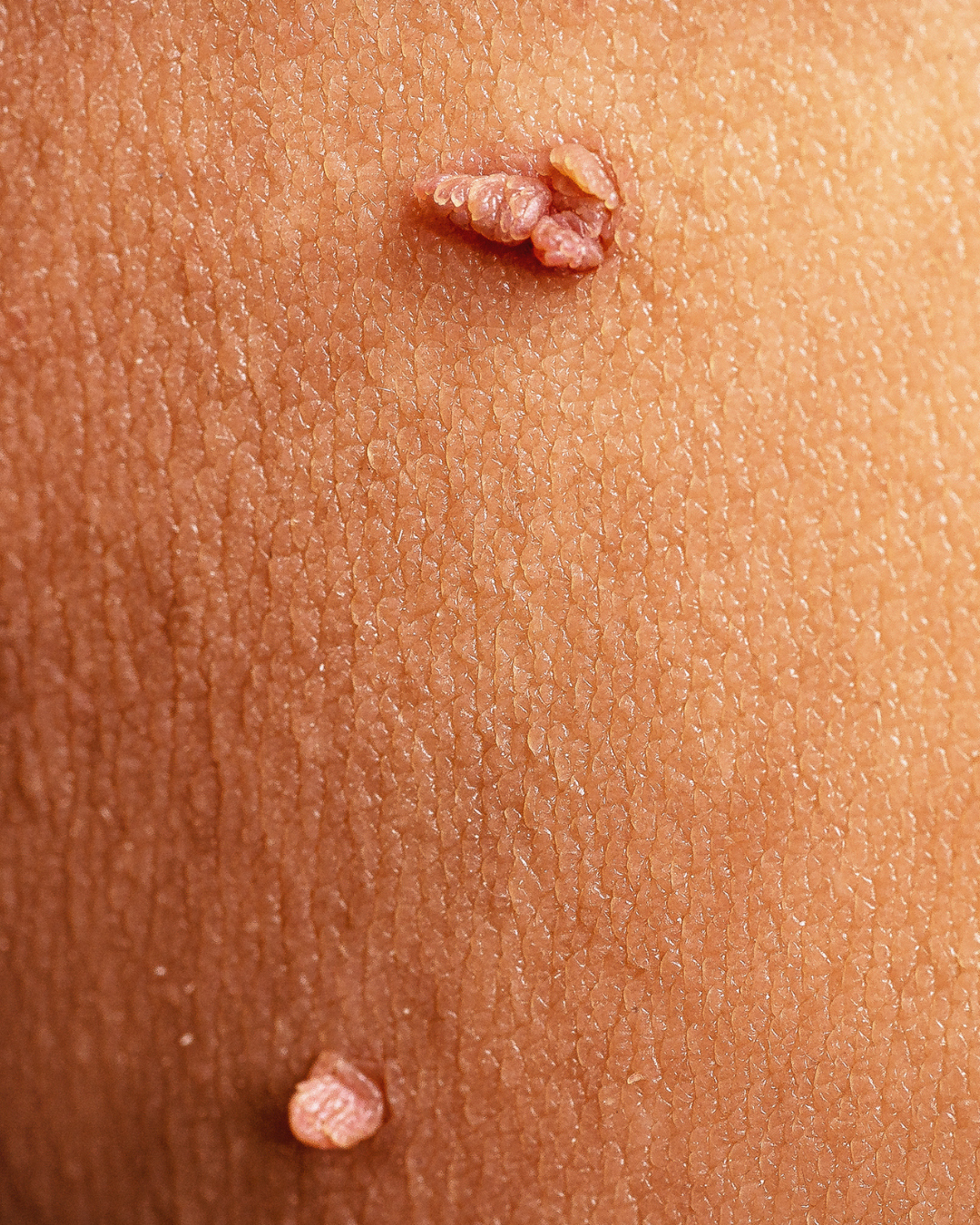
Skin tags are common, benign skin growths that typically develop in areas of friction, such as the neck, underarms, and groin. While they are generally harmless, they can become irritated or bothersome. Our dermatologists assess each skin tag to confirm the appropriate diagnosis and determine the most suitable removal method based on its size, location, and appearance.
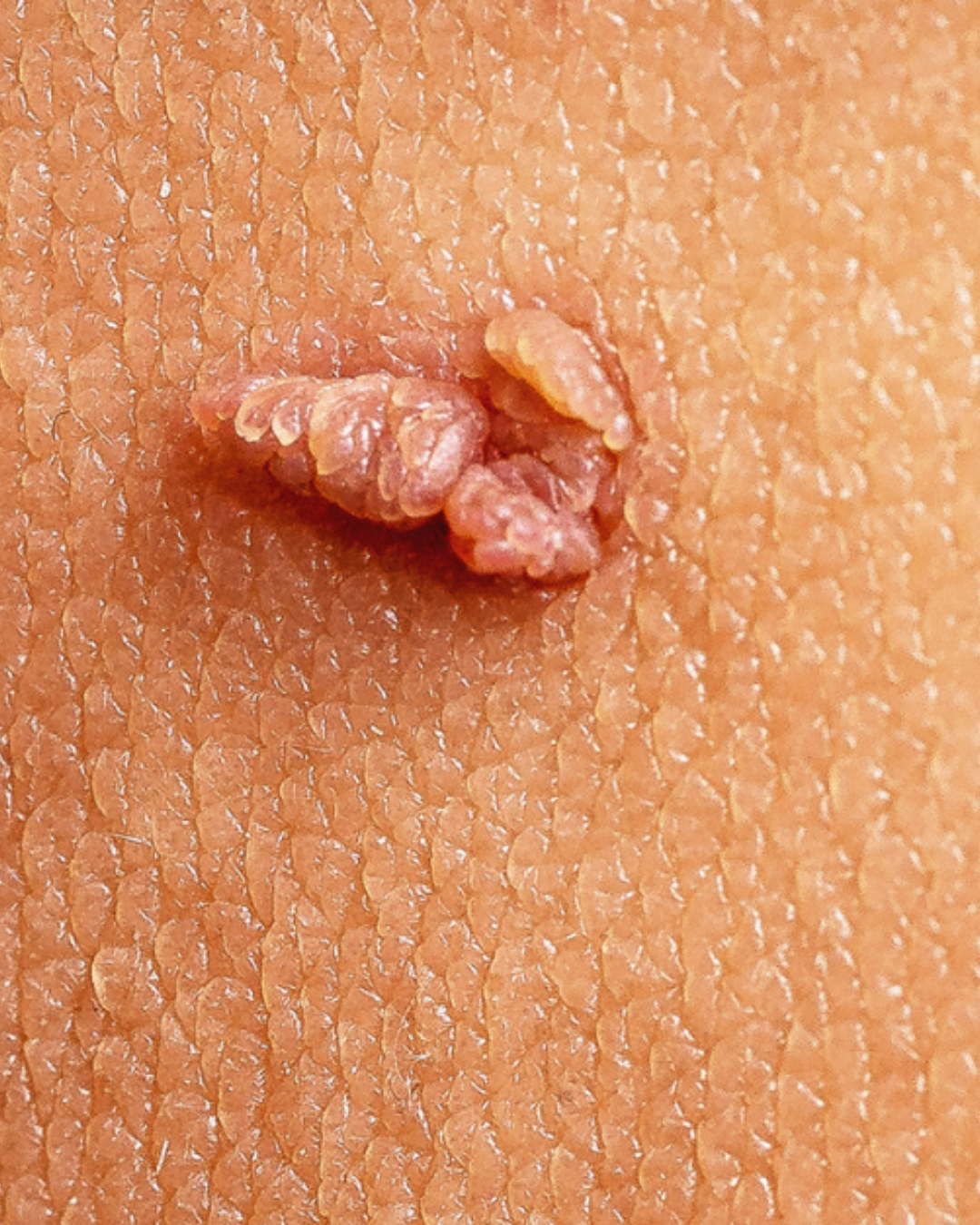
Skin tag removal is a minor surgical procedure performed by a dermatologist to remove unwanted or bothersome skin tags. The area is carefully assessed before the skin tag is removed using an appropriate surgical technique. The procedure is performed in-office and is typically quick, with the goal of safely removing the skin tag while minimizing trauma to the surrounding skin.
Skin tag removal can address unwanted or bothersome skin tags that may cause irritation, discomfort, or repeated friction. Treatment can also be considered for skin tags that are cosmetically undesirable. Our dermatologists assess each growth to ensure it is appropriate for removal.
Skin tag removal is generally well tolerated. The area is numbed before the procedure to help minimize discomfort during removal. You may experience some mild sensitivity or tenderness afterward as the area heals.
Skin tag removal is typically a quick in-office procedure. The length of the appointment will depend on the number, size, and location of the skin tags being treated.
Immediately after skin tag removal, the treated area may appear slightly red, swollen, or tender. A small amount of bleeding or sensitivity can occur, depending on the removal technique. Your dermatologist will provide instructions for caring for the treated area as it heals.
Not every skin growth is suitable for skin tag removal. Your dermatologist may recommend further assessment if the growth has an unusual appearance, has recently changed, or cannot be confidently identified as a skin tag. Treatment may also be postponed if there is an active infection or significant irritation in the area.
what to expect
Consultation
During your consultation, your dermatologist will examine the skin tag and assess its size, location, and appearance to determine whether removal is appropriate. They will discuss the recommended approach and answer any questions you may have before proceeding with treatment.
Treatment
During treatment, the area will first be numbed to minimize discomfort. Your dermatologist will then carefully remove the skin tag using the appropriate surgical technique. The procedure is performed in-office and typically takes only a short amount of time.
Post Treatment
After treatment, the area may be mildly red, tender, or sensitive as it begins to heal. You may notice a small scab or crust form over the treated area. Your dermatologist will provide specific aftercare instructions and advise you on what to expect during the healing process.
Follow up
A follow-up appointment may be recommended depending on the number and location of skin tags treated and how the area is healing. Your dermatologist can assess the treated site, address any concerns, and determine whether any further treatment is needed.
Maintenance
Once the area has healed, no ongoing maintenance is typically required for the treated skin tag. New skin tags can develop over time, however, so any new or changing growths should be assessed by your dermatologist before removal.
During your consultation, your dermatologist will examine the skin tag and assess its size, location, and appearance to determine whether removal is appropriate. They will discuss the recommended approach and answer any questions you may have before proceeding with treatment.
A follow-up appointment may be recommended depending on the number and location of skin tags treated and how the area is healing. Your dermatologist can assess the treated site, address any concerns, and determine whether any further treatment is needed.
During treatment, the area will first be numbed to minimize discomfort. Your dermatologist will then carefully remove the skin tag using the appropriate surgical technique. The procedure is performed in-office and typically takes only a short amount of time.
After treatment, the area may be mildly red, tender, or sensitive as it begins to heal. You may notice a small scab or crust form over the treated area. Your dermatologist will provide specific aftercare instructions and advise you on what to expect during the healing process.
Once the area has healed, no ongoing maintenance is typically required for the treated skin tag. New skin tags can develop over time, however, so any new or changing growths should be assessed by your dermatologist before removal.
.jpg)

How much does a microneedling treatment cost?
To assess your needs and provide an accurate price estimate for your personalized treatment, we recommend scheduling a free, no-obligation consultation with a Surface expert. We recognize that each individual is unique, so we tailor our treatment plans to meet your specific needs.
Revitalize your skin with microneedling for just
$250 per session (regularly $400).
Limited-time offer for new clients only.
Consultation required. Valid through September.
Why Surface?
Expert care from board-certified dermatologists and their team using advanced technology and personalized treatment plans. Our comprehensive services and proven results ensure you receive the highest quality care for all your skin needs.
.webp)
.jpg)
.jpg)
.jpg)
Recommended Products
Here are some additional products and services that complement the benefits of Retinol Skin Brightener and enhance your skincare routine.
.webp)
Your skin journey starts here. Reach out anytime for more information and to book your consultation. We’d love to hear from you.
%20(1).jpg)