
Wart Removal
Wart removal treatments provided by experienced dermatology professionals to address unwanted warts, relieve discomfort, and support your skin’s health through personalized care.
%20(1).webp)
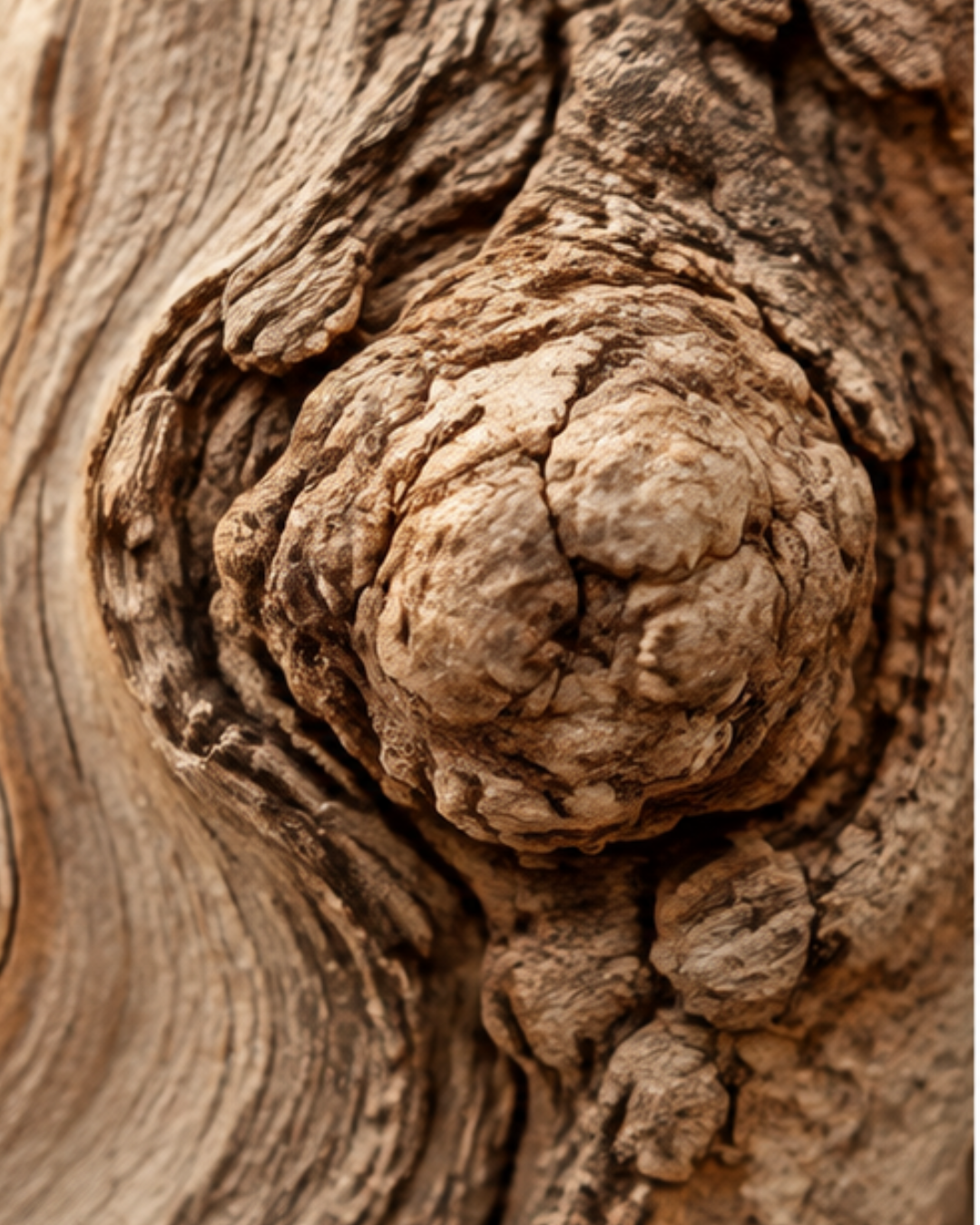
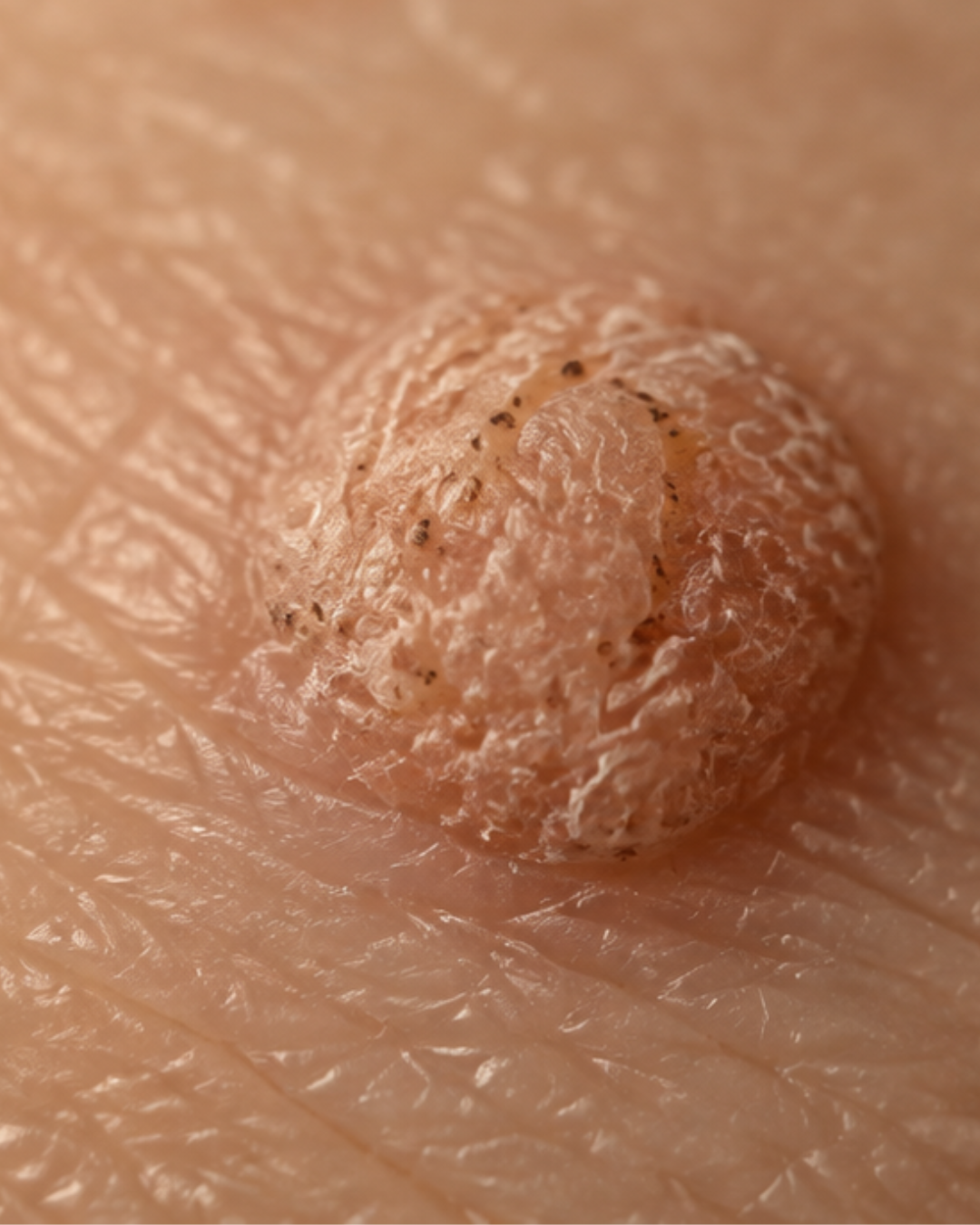
Warts are common skin growths caused by certain types of the human papillomavirus (HPV). They can develop on various areas of the body, including the hands, feet, and other areas of the skin. Depending on their location, warts may cause discomfort, become irritated, or spread to surrounding skin. Our dermatology team evaluates each wart and recommends an appropriate treatment based on its type, location, and individual needs.
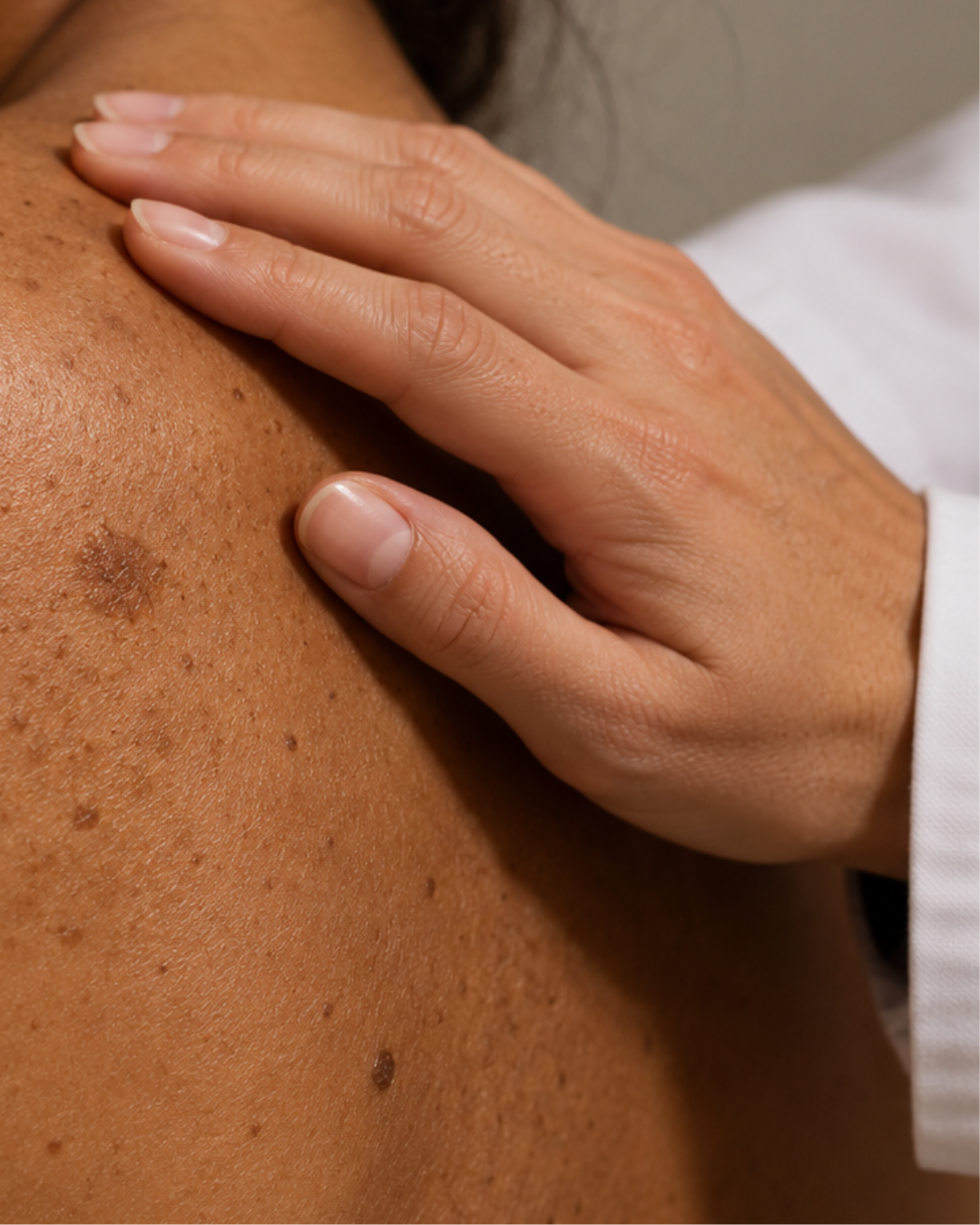
Our dermatology clinic offers professional wart removal to address persistent or bothersome warts on various areas of the body, including the hands, feet, and other locations. Each treatment begins with an assessment to confirm the diagnosis and determine the most appropriate approach. Our goal is to remove the affected tissue while prioritizing patient comfort, proper healing, and ongoing skin health. Following treatment, patients receive guidance on aftercare and what to expect during recovery.
We treat warts of various types, regardless of their location on the body. Whether they develop on the hands, fingers, feet, toes, or other areas of the skin, our dermatology team will assess the affected area and determine the appropriate treatment for removal, including persistent, recurring, or uncomfortable warts.
Wart removal may cause some discomfort, depending on the wart’s size and location. Our team prioritizes your comfort throughout the procedure and provides aftercare instructions to support proper healing. Some tenderness or sensitivity in the treated area may occur during recovery.
The duration of wart removal depends on the size, type, and location of the wart, as well as the number being treated. Most appointments are relatively quick, though additional time may be needed for multiple or larger warts. Your dermatologist can provide a more specific estimate during your assessment.
Immediately after wart removal, you may notice mild redness, tenderness, swelling, or minor bleeding around the treated area. A small wound or scab may form as the skin begins to heal. Keeping the area clean and following your dermatologist’s aftercare instructions will help support healing and reduce the risk of infection. Recovery may vary depending on the size and location of the wart.
what to expect
Consultation
During your consultation, your dermatologist will examine the affected area to confirm the diagnosis and assess the type, size, and location of the wart. They will review your medical history, discuss any symptoms or concerns, and determine whether removal is appropriate. You will also have the opportunity to ask questions and learn about the treatment process, potential risks, and aftercare requirements.
Treatment
Wart removal is performed in the clinic, with steps tailored to the area being treated. Your dermatologist will explain what to expect throughout the procedure and address any questions or concerns. Before leaving, you’ll receive guidance on wound care, activity restrictions if needed, and signs to watch for during recovery.
Post Treatment
After treatment, the area may feel tender and appear red, with a small scab or wound developing as healing begins. Keeping the site clean, protecting it from irritation, and following your dermatologist’s aftercare instructions will help support recovery. Healing time varies depending on the wart’s location and size. Contact your clinic if you notice increasing pain, spreading redness, or other signs of infection.
Follow up
A follow-up may be recommended to assess healing and ensure the treated area is recovering as expected. Your dermatologist can address any ongoing concerns, evaluate whether additional treatment is needed, and provide further guidance if the wart persists or returns. Follow-up needs will vary depending on the individual case and response to treatment.
Maintenance
After healing, ongoing maintenance typically involves monitoring the treated area for signs of recurrence and keeping the skin healthy. Warts can sometimes return or develop in other areas, so early assessment of any new growths is recommended. Your dermatologist can advise on preventive measures and whether further treatment may be needed.
During your consultation, your dermatologist will examine the affected area to confirm the diagnosis and assess the type, size, and location of the wart. They will review your medical history, discuss any symptoms or concerns, and determine whether removal is appropriate. You will also have the opportunity to ask questions and learn about the treatment process, potential risks, and aftercare requirements.
A follow-up may be recommended to assess healing and ensure the treated area is recovering as expected. Your dermatologist can address any ongoing concerns, evaluate whether additional treatment is needed, and provide further guidance if the wart persists or returns. Follow-up needs will vary depending on the individual case and response to treatment.
Wart removal is performed in the clinic, with steps tailored to the area being treated. Your dermatologist will explain what to expect throughout the procedure and address any questions or concerns. Before leaving, you’ll receive guidance on wound care, activity restrictions if needed, and signs to watch for during recovery.
After treatment, the area may feel tender and appear red, with a small scab or wound developing as healing begins. Keeping the site clean, protecting it from irritation, and following your dermatologist’s aftercare instructions will help support recovery. Healing time varies depending on the wart’s location and size. Contact your clinic if you notice increasing pain, spreading redness, or other signs of infection.
After healing, ongoing maintenance typically involves monitoring the treated area for signs of recurrence and keeping the skin healthy. Warts can sometimes return or develop in other areas, so early assessment of any new growths is recommended. Your dermatologist can advise on preventive measures and whether further treatment may be needed.
.jpg)

How much does a microneedling treatment cost?
To assess your needs and provide an accurate price estimate for your personalized treatment, we recommend scheduling a free, no-obligation consultation with a Surface expert. We recognize that each individual is unique, so we tailor our treatment plans to meet your specific needs.
Revitalize your skin with microneedling for just
$250 per session (regularly $400).
Limited-time offer for new clients only.
Consultation required. Valid through September.
Why Surface?
Expert care from board-certified dermatologists and their team using advanced technology and personalized treatment plans. Our comprehensive services and proven results ensure you receive the highest quality care for all your skin needs.
.webp)
.jpg)
.jpg)
.jpg)
Recommended Products
Here are some additional products and services that complement the benefits of Retinol Skin Brightener and enhance your skincare routine.
.webp)
Your skin journey starts here. Reach out anytime for more information and to book your consultation. We’d love to hear from you.
%20(1).jpg)