
How to Repair Sun-Damaged Skin After Summer: Your Fall Skin Reset
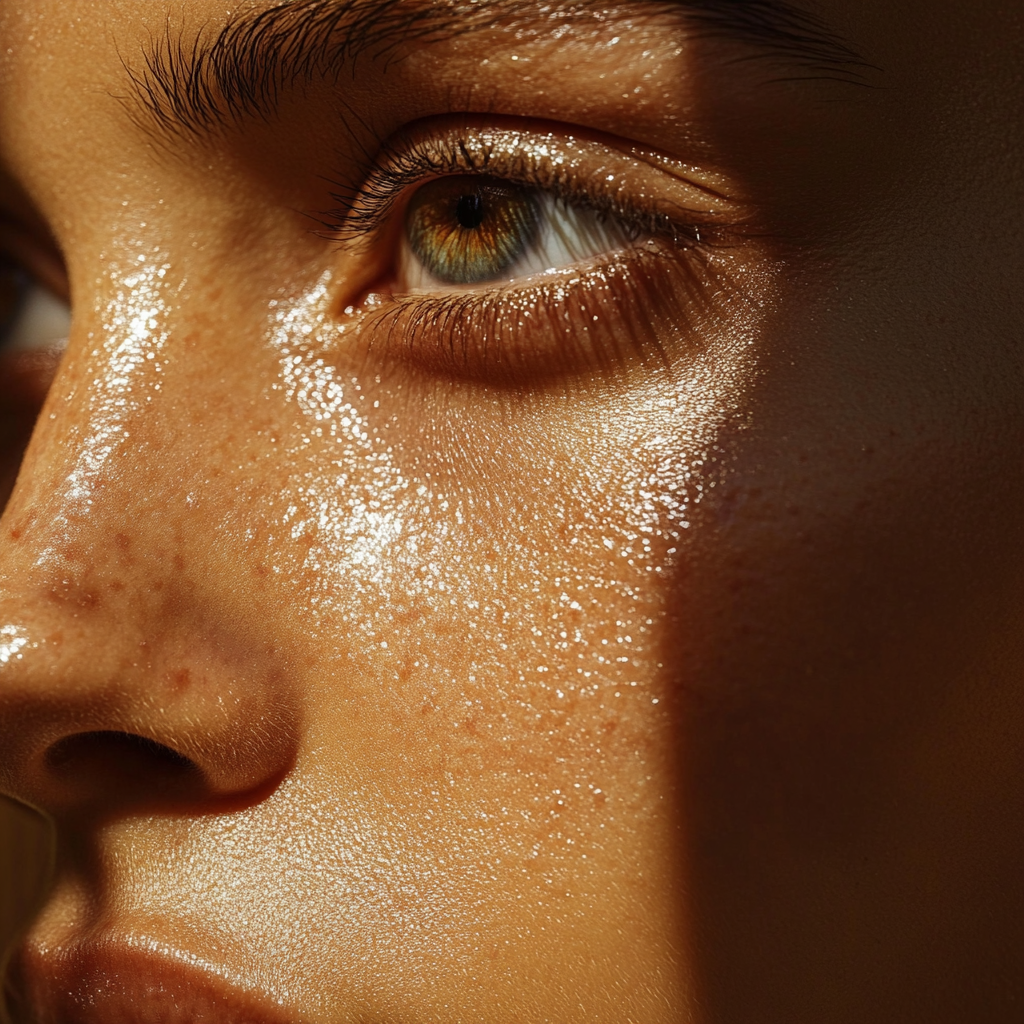
Summer may be coming to an end, but the effects of sun exposure can linger on your skin long after the warm weather is gone. Months of increased UV exposure can contribute to sun spots, uneven pigmentation, dryness, rough texture, fine lines, and premature skin aging, even if you were diligent about wearing sunscreen.
The good news? Fall is an ideal time to reassess your skin and address some of the concerns that may have appeared over the summer.
From restoring hydration to treating pigmentation and checking changing moles, here is how to give your skin a dermatologist-guided reset this fall.
What Does Summer Sun Exposure Do to Your Skin?
Ultraviolet (UV) radiation affects the skin in several ways. While a tan or a few new freckles may be the most noticeable changes, UV exposure can also cause damage beneath the surface of the skin.
Over time, sun exposure can contribute to:
- Hyperpigmentation and sun spots
- Uneven skin tone
- Dry or dehydrated skin
- Rough or uneven skin texture
- Fine lines and wrinkles
- Loss of collagen and elasticity
- Redness and visible blood vessels
- An increased risk of skin cancer
Sun damage is cumulative, meaning the effects build over time. That is why protecting your skin and addressing changes early is important year-round, not only during the summer.
Step 1: Check Your Skin for New or Changing Moles
Your fall skin reset should not only be cosmetic.
After a season of increased sun exposure, take some time to look at your skin and pay attention to any new or changing moles or spots.
A useful guide is the ABCDE rule:
A: Asymmetry
One half of the mole does not match the other.
B: Border
The edges are irregular, blurred, or poorly defined.
C: Colour
The mole contains multiple colours or has changed in colour.
D: Diameter
The spot is larger than approximately 6 mm, although melanomas can be smaller.
E: Evolving
The mole is changing in size, shape, colour, or appearance.
Any lesion that looks noticeably different from your other moles, or is changing, itching, bleeding, or otherwise concerning, should be assessed by a medical professional.
At SURFACE Dermatology, FotoFinder mole mapping can be used to photograph and monitor moles over time, helping dermatologists identify changes that may require closer examination.
Step 2: Restore Your Skin Barrier and Hydration
Heat, sun exposure, air conditioning, swimming, and travel can all leave skin feeling dry or irritated by the end of summer.
Before introducing an aggressive treatment routine, focus on restoring and supporting your skin barrier.
A simple fall skincare routine may include a gentle cleanser, moisturizer, broad-spectrum sunscreen, and targeted products recommended for your individual skin concerns.
Ingredients such as ceramides, hyaluronic acid, and glycerin can help support hydration. Antioxidants such as vitamin C may also be incorporated into some skincare routines to help address environmental damage and uneven tone.
And yes, you still need sunscreen in the fall.
UV radiation is present throughout the year, including on cloudy and cooler days. Daily broad-spectrum SPF 30 or higher remains one of the most important steps for preventing additional sun damage.
Step 3: Treat Sun Spots and Uneven Pigmentation
One of the most common post-summer skin concerns is pigmentation.
After months of UV exposure, you may notice that freckles, brown spots, or areas of uneven pigmentation have become more noticeable.
Depending on your skin type and the cause of the pigmentation, treatment options may include medical-grade skincare, chemical peels, laser treatments, or Intense Pulsed Light (IPL).
IPL uses pulses of light to target specific pigments within the skin and may be used to improve the appearance of certain brown spots, redness, and uneven skin tone.
However, not every type of pigmentation should be treated the same way. Conditions such as melasma, for example, require careful assessment because certain treatments may worsen pigmentation.
A consultation with a qualified provider can help determine what type of pigmentation you have and which treatment options may be appropriate for your skin.
Step 4: Address Texture and Signs of Photoaging
Sun damage does not only affect skin colour. Chronic UV exposure can break down collagen and elastin, the proteins that help give skin its firmness and structure.
Over time, this can contribute to:
- Fine lines
- Uneven texture
- Enlarged-looking pores
- Loss of firmness
- Dullness
- Rough skin
Depending on your goals, treatments designed to support skin rejuvenation and collagen production may be incorporated into your fall or winter treatment plan.
The best option will depend on your skin type, concerns, medical history, downtime preferences, and the degree of sun damage present.
Step 5: Take Advantage of Fall Laser Season
There is a reason fall is often referred to as laser season.
Many laser and light-based treatments require patients to limit direct sun exposure before and after treatment. Treating recently tanned or heavily sun-exposed skin may increase the risk of complications with certain devices.
As UV levels begin to decrease and people spend less time outdoors, fall and winter can make it easier to plan a series of treatments while following the necessary sun precautions.
This makes fall an excellent time to start planning treatments for pigmentation, redness, unwanted hair, uneven texture, and other skin concerns you may want to address over the colder months.
Can Sun Damage Actually Be Reversed?
Some visible signs of sun damage can be improved, but prevention remains essential.
Professional treatments and a personalized skincare routine may help improve concerns such as pigmentation, texture, redness, and visible signs of premature aging. However, they do not erase your history of UV exposure or eliminate your risk of skin cancer.
Think of your fall skin reset as a combination of repair, prevention, and monitoring.
Continue protecting your skin from UV exposure while addressing existing concerns with treatments and skincare that are appropriate for your individual skin.
Start Your Fall Skin Reset at SURFACE Dermatology
There is no one-size-fits-all approach to treating sun-damaged skin. The right treatment depends on your skin type, concerns, medical history, and goals.
At SURFACE Dermatology in Oakville, our team can assess your skin and develop a personalized treatment plan to address concerns such as sun damage, pigmentation, uneven skin texture, signs of aging, and changing moles.
For patients in Hamilton, our team at SUR also offers personalized cosmetic treatment plans designed around your skin and individual goals.
Ready to reset your skin after summer? Book a consultation at SURFACE Dermatology in Oakville or SUR in Hamilton to discover the right treatment options for your skin.
.webp)
Expert skin advice, thoughtful tips, and product recommendations are coming your way.
.jpg)
.jpg)
Your skin journey starts here. Reach out anytime for more information and to book your consultation. We’d love to hear from you.
%20(1).jpg)